
FIFA Abandons $20 Billion World Cup Plan After Internal Revolt
By Cameron Hale. Aug 4, 2026
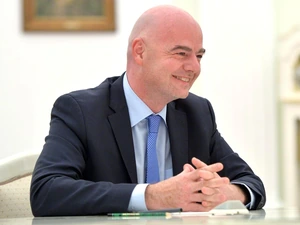
Caption: Gianni Infantino in 2016. Credit: Kremlin.ru, via Wikimedia Commons, CC BY 4.0.
The World Cup Was Nearly Put Inside a New Company
FIFA President Gianni Infantino abandoned a proposal to place the commercial rights to the World Cup and other major tournaments inside a new company valued at about $20 billion. The plan would have allowed private investors to buy a minority stake in the business that controls some of soccer’s most valuable rights.
The proposal did not fail because investors lost interest. It collapsed after opposition spread through FIFA’s own confederations, senior leadership and national associations, turning a financial plan into a test of who controls the world’s biggest sporting event.
European Federations Threatened a Boycott
UEFA’s 55 member associations opposed the plan and discussed refusing to participate in FIFA competitions if it moved forward. Opposition also came from Concacaf and the Asian Football Confederation, leaving Infantino without the broad institutional support needed for such a significant restructuring.
A World Cup business without the leading European nations would have been commercially weakened from the moment it was created. The boycott threat transformed the argument from an internal governance dispute into a direct risk to the tournament itself.
The $20 Billion Figure Changed the Debate
The proposed entity, known as FIFA Forward Enterprise, was expected to manage commercial assets including media and sponsorship rights. Reports said FIFA considered selling about 20 percent of the venture to private investors.
Supporters viewed the structure as a way to raise money and increase distributions to member associations. Critics argued that outside shareholders would expect financial returns from competitions historically governed by a nonprofit federation, potentially changing the incentives behind scheduling, expansion and commercial decisions.
The Resistance Came From Inside FIFA Too
The dispute also exposed internal disagreement. Senior adviser Carlos Cordeiro resigned and publicly urged resistance to the plan, while FIFA chief operating officer Kevin Lamour raised concerns about the process and lack of transparency.
Those objections mattered because they challenged the idea that the proposal was merely being misunderstood by outside critics. The revolt included people familiar with FIFA’s own operations and governance structure.
Infantino Chose Unity Over the Deal
Infantino ultimately withdrew the proposal and acknowledged that it had created divisions the organization could not accept. FIFA will keep control of its commercial operations rather than moving its premier events into a partly privatized company.
The reversal is unusual for an organization known for expanding tournaments and commercial inventory despite criticism. This time, the combined threat of boycotts, resignations and internal opposition proved stronger than the promise of a multibillion-dollar valuation.
The Argument Was About More Than Ownership
The abandoned plan raised a larger question about modern sports institutions: whether their most valuable competitions are public sporting traditions, commercial properties or both. FIFA has always sold broadcast and sponsorship rights, but selling ownership in the business holding those rights would have crossed a different line.
The proposal is gone, but the pressure that produced it remains. The World Cup continues to grow, media rights remain enormously valuable and member associations continue to seek larger distributions. FIFA stepped back from this structure; it did not step away from the financial forces behind it.
References: AP News | The Guardian

The News Command team was assisted by generative AI technology in creating this content
Trending
Read More
Read More

Read More

Read More

Read More

Read More

Read More

Read More
Read More

Read More
Read More

Read More
Read More
Read More

Read More

Read More
Read More
Read More

Read More
Read More

Read More
Read More

Read More
Read More