
MIT Tops QS University Rankings for the 14th Year in a Row
By Jordan Mercer. Mar 9, 2026
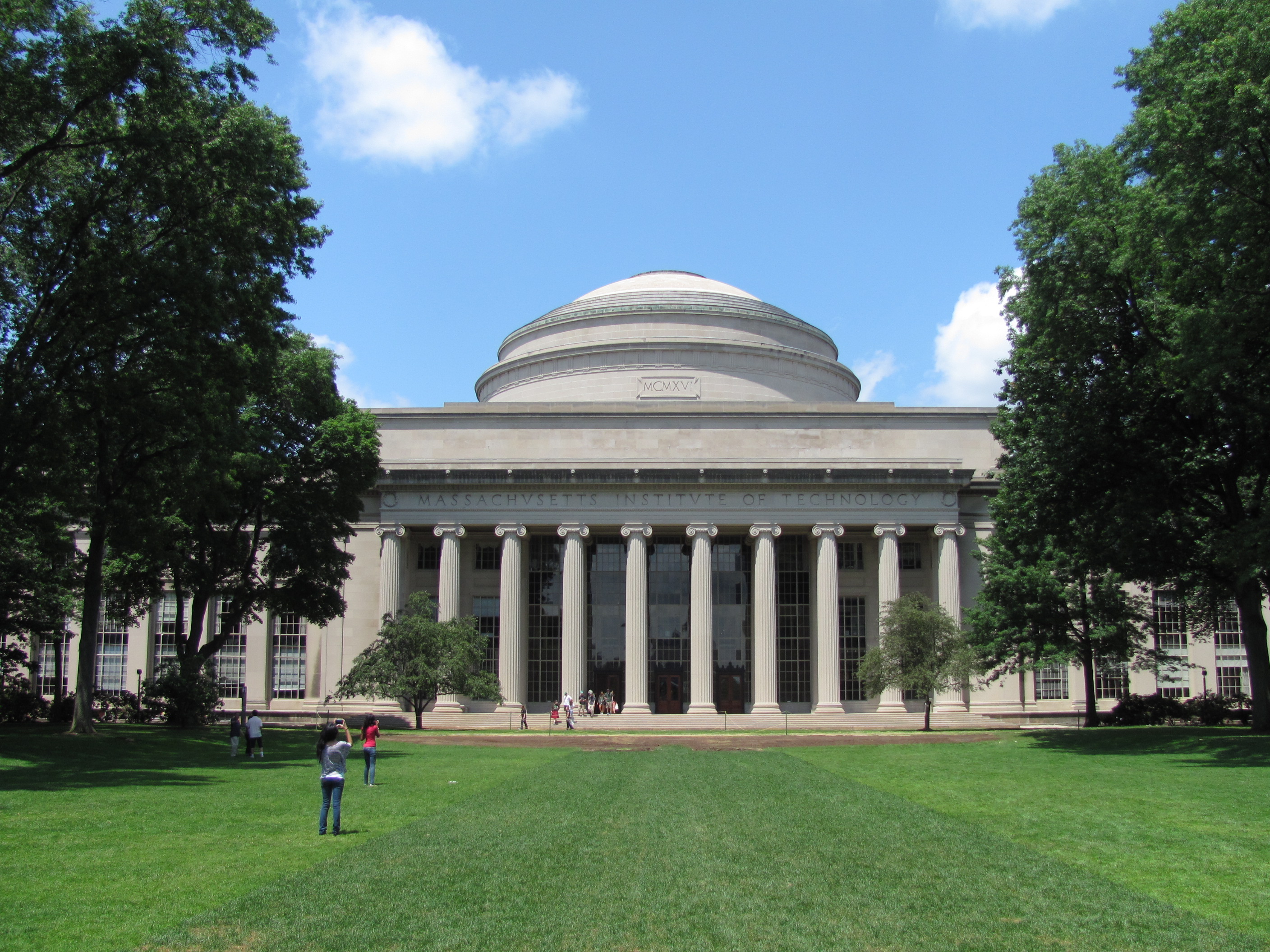
The Massachusetts Institute of Technology topped QS World University
Rankings 2026 for the 14th consecutive year, extending one of the
longest sustained number-one streaks in the history of major university
rankings, according to QS. Imperial College London moved into second
place — its highest-ever ranking — while Stanford University
returned to third after a period outside the top three. Harvard placed
fourth and the University of Oxford fifth, giving the top five a mix of
American and British institutions that has defined the upper tier of the
QS ranking for more than a decade.
The United States held four of the top ten spots in the 2026 ranking:
MIT (1st), Stanford (3rd), Harvard (4th), and Caltech (6th). The UK
placed three institutions in the top ten: Imperial (2nd), Oxford (5th),
and Cambridge (7th). ETH Zurich from Switzerland placed 9th,
representing continental Europe's strongest performer, according to QS.
Why MIT Leads Every Year
MIT's sustained first-place finish reflects its dominant performance
across the five indicators QS uses to build its ranking: academic
reputation, employer reputation, faculty-to-student ratio, citations per
faculty member, and international faculty and student ratios. MIT's
citation-per-faculty score is among the highest of any research
institution in the world — a reflection of the density and impact of
its research output across engineering, computer science, physics, and
life sciences.
Employer reputation is the category where MIT's advantage is most
pronounced. Surveys of global employers consistently place MIT graduates
among the most sought-after in the world across technology, finance, and
research sectors — a reputational signal that compounds over decades
as alumni build careers and recruit subsequent MIT graduates into their
organizations, per QS.
Emerging Challengers
Imperial College London's jump to second place reflects sustained
investment in research infrastructure and international faculty
recruitment. The college has grown its research output significantly
over the past decade, and its location in London provides access to a
global employer network that few universities outside the United States
can match.
Chinese universities continued their upward trajectory in the 2026
rankings. Peking University and Tsinghua University both placed in the
top 20 globally — a pattern that QS analysts noted reflects sustained
Chinese government investment in research capacity and international
faculty recruitment. Australia's University of Melbourne and Sydney
also maintained top-50 positions, per QS.
What the Rankings Measure — and Don't
QS rankings have been criticized by some academic observers for
weighting reputation surveys heavily — meaning that the rankings, in
part, measure perceptions of quality rather than quality alone. MIT's
14-year streak reflects both genuine research dominance and the
self-reinforcing nature of reputational rankings: institutions perceived
as the best attract the best students and faculty, which produces the
outcomes that sustain the perception.
For students and families, QS rankings remain one of the most widely
used tools in international university selection decisions —
particularly for graduate programs in engineering, computer science, and
the natural sciences, where MIT and Stanford consistently outperform all
global competitors.
References: World University Rankings | Us Universities Remain The Global Leaders In The Qs World University Rankings 2026

The News Command team was assisted by generative AI technology in creating this content
Trending

Read More

Read More

Read More

Read More

Read More

Read More

Read More

Read More

Read More

Read More

Read More

Read More

Read More

Read More

Read More

Read More

Read More

Read More

Read More

Read More

Read More

Read More

Read More

Read More