
Ultraprocessed Foods Are Streaking Fat Into Muscles
By Taylor Brooks. Jun 7, 2026
The Finding: Fat Inside the Muscle, Not Just Around It
A new study published in the journal Radiology found that people who eat more ultraprocessed foods have more fat marbled into their muscle tissue - a condition researchers call intramuscular fat - regardless of their body weight or BMI, according to CNN. The research was led by Dr. Zehra Akkaya at the University of California, San Francisco, and involved 615 participants drawn from the Osteoarthritis Initiative, a long-running national health study.
The finding reframes what ultraprocessed food consumption does to the body. The effect is not simply weight gain or visible fat accumulation - it is a change in the composition of the muscle itself, visible through MRI imaging.
What the Study Measured and How
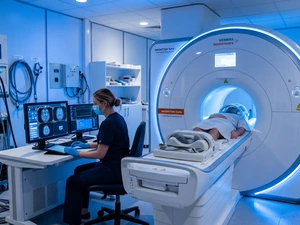
Researchers used MRI scans to measure intramuscular fat in the thigh muscles of 615 participants. They then cross-referenced those measurements with dietary data tracking how much of each participant’s diet consisted of ultraprocessed foods. The correlation between higher ultraprocessed food intake and greater fat marbling in thigh muscles held even after controlling for body mass index, meaning participants who were not overweight or obese still showed the muscle composition effect if they consumed high proportions of ultraprocessed foods.
Ultraprocessed foods are defined in nutritional research as industrial formulations with multiple additives, preservatives, and ingredients not typically used in home cooking - including many packaged snack foods, fast food items, sweetened beverages, and ready-to-eat meals.
The Scale of Ultraprocessed Consumption in the U.S.
Ultraprocessed foods account for approximately 41% of the caloric intake among the study’s participants. At the population level, research estimates that more than 50% of the average American adult’s daily calories now come from ultraprocessed sources. The Radiology study’s findings are therefore relevant not to a marginal or extreme dietary pattern, but to eating habits that are near-majority among U.S. adults.
Dr. Akkaya and her team noted that the muscle fat marbling associated with ultraprocessed food intake is the same type of intramuscular fat associated with reduced muscle function, insulin resistance, and metabolic disease risk - conditions that can develop regardless of a person’s external appearance or scale weight.
What Muscle Composition Means for Health
Intramuscular fat is distinct from subcutaneous fat, which sits beneath the skin, and visceral fat, which surrounds internal organs. Because it is embedded in muscle tissue, it is not detectable through standard measures like BMI or waist circumference. MRI imaging is required to observe it directly.
The UCSF study’s contribution is in documenting that diet quality - specifically ultraprocessed food consumption - is a measurable predictor of intramuscular fat, independent of overall body weight. The implication is that the health effects of ultraprocessed diets may be more widespread than conventional weight-based assessments capture, affecting muscle quality in people who would not otherwise be flagged as at-risk by standard clinical metrics.
References: Link between ultraprocessed foods and muscle health

The News Command team was assisted by generative AI technology in creating this content
Trending

Read More

Read More

Read More

Read More

Read More

Read More

Read More

Read More

Read More

Read More

Read More

Read More

Read More

Read More

Read More

Read More

Read More

Read More

Read More

Read More

Read More

Read More

Read More

Read More