
Consumer Confidence Hits Record Low Amid Iran War
By Morgan Blake. Apr 13, 2026
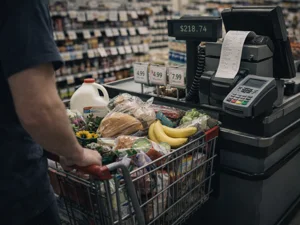
On April 10, the University of Michigan released its preliminary consumer sentiment survey for April 2026, and the number stopped economists cold. The headline index fell 11% from March to a reading of 47.6 - the lowest in the survey’s 74-year recorded history, according to CNN Business. That figure sits below anything recorded during the Great Recession, the pandemic economic collapse of 2020, and the historic inflation surge of 2021 and 2022. The previous record low of 50 was set in June 2022, during peak Biden-era inflation when gas prices and grocery bills were at their most painful in a generation. April 2026 broke it.
Survey director Joanne Hsu noted in her release that the decline was unusually broad. Demographic groups across age, income levels, and political party affiliation all posted setbacks simultaneously, and every component of the index fell. The current economic conditions index dropped to 50.1, its lowest on record. The consumer expectations index fell to 46.1, its lowest level since 1980. Hsu said open-ended survey responses made the source of anxiety clear: many consumers explicitly blamed the U.S.-Israeli conflict with Iran for what they described as deteriorating economic conditions.
What Americans Said They Expect
The inflation expectations embedded in the survey are drawing particular attention from economists. Respondents said they expect prices to be 4.8% higher one year from now - a full percentage point jump from March’s reading of 3.8%, and the largest single-month increase in inflation expectations since April 2025, when the Trump administration unveiled its initial wave of sweeping tariffs, according to CNN Business. Longer-term inflation expectations, covering the next five to ten years, also ticked up, rising to 3.4% from 3.2% in March, the highest level since November 2025.
The sentiment reading was released on the same morning that the Bureau of Labor Statistics reported the Consumer Price Index rose 0.9% in March - the sharpest monthly increase since 2022 - pushing the annual inflation rate to 3.3%, the highest in nearly two years. The primary driver was energy, with gas prices surging sharply in the weeks following the closure of the Strait of Hormuz. Heather Long, chief economist at Navy Federal Credit Union, told CNN: “Rising gas, diesel and airfare prices are already surging and squeezing American households. This is only the beginning.”
A Reading That Crosses Every Divide
What makes the April data notable beyond the headline number is its uniformity. Past sentiment declines have often been uneven - hitting lower-income households harder, or skewing along partisan lines depending on which party holds the White House. April’s drop had none of that segmentation. One-year business condition expectations plunged roughly 20%, sitting 6% below their level from a year ago. Assessments of personal finances fell approximately 11%. Buying conditions for durable goods and vehicles worsened further.
Hsu made a specific note in her release: 98% of the survey interviews were conducted before the Trump administration’s announcement of a temporary ceasefire with Iran on April 7. The ceasefire itself came under immediate strain in the days that followed, with reports of Iranian warning shots on commercial ships in the Strait over the weekend of April 12-13. Hsu said economic expectations would likely improve once consumers gained confidence that supply disruptions had genuinely ended and gas prices had moderated - but noted that improvement had not yet arrived in the data.
The Question Economists Are Watching
Record-low sentiment does not automatically produce a recession. Economists are quick to note that the link between how Americans feel about the economy and what they actually spend has loosened considerably over the past decade. Americans maintained their spending through the post-pandemic inflation surge and through the tariff disruptions of 2025, even when surveys showed deep pessimism about economic conditions. The US labor market, while weak by recent standards, has not yet experienced a significant uptick in layoffs. Unemployment stood at 4.3% in the latest available data, and new applications for unemployment benefits remained contained, according to CNN Business reporting.
What would tip the balance, economists say, is a deterioration in employment. Oren Klachkin, financial market economist at Nationwide, told CNN that negative sentiment is one of multiple channels through which the Iran conflict will work through the US economy, and that softer readings should be expected as long as the conflict remains unresolved. Consumer spending accounts for approximately two-thirds of U.S. gross domestic product. How long the gap holds between what Americans say they feel and what they actually spend is the variable most closely watched heading into the second quarter of 2026.
Where the Data Stands Now
The University of Michigan’s preliminary April reading of 47.6 will be updated with a final figure at the end of the month. If the number holds or declines further, it will represent the most pessimistic recorded snapshot of American economic attitudes since the survey began tracking sentiment in the years following World War II. The March CPI report, the sentiment data, and the ongoing volatility around the Strait of Hormuz are converging at the same moment - creating a set of economic conditions that, in combination, have not been seen since the energy shocks of the 1970s. Whether the temporary ceasefire holds long enough to reverse the numbers is the open question shaping the second quarter outlook.
References: Consumer sentiment plummets to record low as Iran war jacks up inflation | Consumer sentiment hits record low, inflation fears rise amid Iran war

The News Command team was assisted by generative AI technology in creating this content
Trending





Read More


Read More

Read More


Read More


Read More


Read More

Read More

Read More

Read More

Read More

Read More

Read More

Read More

Read More