
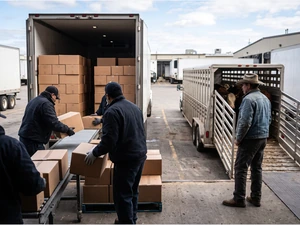
More Foreign Beef Was Allowed In. New Orders Back Ranchers
By Taylor Brooks. Sep 8, 2026
More Imports, Then a Rancher Package
The federal government opened a temporary expansion for imported lean beef trimmings on September 1. Three days later, President Donald Trump signed two executive orders aimed at strengthening U.S. ranchers, expanding meat-processing options and reviewing whether beef should again carry mandatory country-of-origin labels.
The sequence puts two competing pressures in the same policy picture. The administration is trying to lower high beef prices for consumers with more imported supply while also responding to ranchers who have warned that cheaper imports could make it harder to rebuild the domestic cattle herd.
The Import Window Is Large and Temporary
A White House proclamation issued August 26 increased the 2026 in-quota amount for certain lean beef trimmings by 300,000 metric tons. The additional volume is divided into three 100,000-metric-ton tranches running from September 1 through the end of November.
The proclamation says the step is intended to address inadequate domestic supply and elevated beef prices. It applies to lean beef trimmings that can be blended with fattier domestic beef for ground-beef products.
Ranchers Had Already Pushed Back
CBS News reported that cattle producers and farm groups raised concerns before the first import tranche opened. Their argument was not that consumers should pay more, but that lower cattle prices combined with high feed, fuel, fertilizer and land costs could discourage producers from keeping cows and rebuilding herds.
The concern is especially sharp because the import window overlaps the fall period when many ranchers make decisions about whether to sell or retain cattle. CBS reported that some producers feared the added supply could pressure the prices they receive just as operating costs remain high.
The September 4 Orders Shift Back Toward Ranchers
The September 4 rancher order directs federal agencies to review regulations affecting ranchers and calls for a review of authorities that could support mandatory country-of-origin labeling for beef. It also directs the Agriculture Department to assess whether new regulations or legislation could require those labels.
A second order directs stronger enforcement of livestock-market competition rules and asks the Agriculture Department to identify barriers that keep some state-inspected or custom-exempt meat from moving across state lines. The administration also directed work on a guaranteed-loan program for small and regional processors.
What Has Changed and What Has Not
The orders do not immediately restore mandatory country-of-origin labels, and they do not cancel the temporary import expansion. Instead, both policies now move at the same time: more imported lean beef can enter under the temporary quota while agencies begin a new round of work intended to strengthen domestic ranchers and processors.
That is the tension consumers and producers will now watch. One policy is designed to increase supply quickly. The newer orders are designed to change the conditions under which American ranchers compete over a longer period.
References: Further Ensuring Affordable Beef for the American Consumer | Supporting America’s Ranchers | Promoting Fair Competition In Livestock Markets And Expanding Market Access for American Meat Producers | Cattle ranchers express concern about U.S. plan to boost foreign beef imports

The News Command team was assisted by generative AI technology in creating this content
Trending
Read More

Read More

Read More

Read More

Read More

Read More

Read More
Read More

Read More

Read More
Read More

Read More

Read More

Read More

Read More

Read More

Read More
Read More

Read More

Read More

Read More

Read More

Read More
Read More