
Strait of Hormuz Blockade Cascades into Global Supply Crisis and American Inflation Concerns
By Taylor Brooks. May 4, 2026
Iran’s blockade of the Strait of Hormuz, which began on February 28 following U.S.-Israel military action, has disrupted 20 percent of global oil trade-the largest supply disruption in recorded history. Brent crude prices surged to $118-120 per barrel, up from prior levels, with U.S. gasoline prices rising $1.16 per gallon to approximately $4 per gallon at retail pumps across the country. Diesel fuel prices climbed to $5.40 per gallon, further pressuring transportation and logistics sectors. The blockade affected one of the world’s most critical energy chokepoints, through which roughly one-fifth of global petroleum flows daily.
Cascading Sectoral Impact
The disruption triggered immediate economic consequences across multiple sectors. Airlines implemented fuel surcharges on passenger tickets within days of the price spike. Shipping services added fuel surcharges to freight rates. Fertilizer supply chains were disrupted, creating shortages of agricultural inputs in Atlantic regions and threatening rice production across Asia. The Asian Development Bank downgraded its regional economic growth forecast from 5.1 percent to 4.7 percent, citing the energy crisis as a primary factor. Inflation pressure from energy costs extended beyond petroleum into food commodities and transportation-dependent goods.
Structural Economic Reorganization
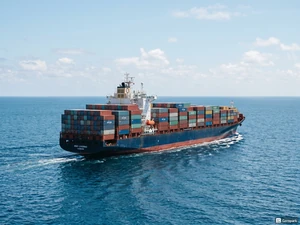
Although a ceasefire was announced on April 8, shipping behavior has fundamentally reorganized around the blockade. Rather than returning to prior routes through the Strait of Hormuz, major shipping companies have implemented permanent routing changes around the Cape of Good Hope at the southern tip of Africa, adding 10-15 days to transit times and substantially increasing shipping costs. This structural shift suggests that the crisis, while temporarily relieved by the ceasefire announcement, has created lasting changes in global trade patterns. Shipping companies, facing fuel price uncertainty and transit time extension, have adopted new default routes that may persist even if Hormuz blockade threats diminish in the future.
Implications for American Consumers
The price pressures at the pump and across supply chains have direct implications for American consumers through inflation in gasoline, food, and goods with transportation components. Economic forecasters have incorporated the supply disruption into updated growth projections, with particular concern about how extended inflation pressures might affect consumer spending patterns and broader economic growth into the second half of 2026.
References: Iran’s Strait of Hormuz Blockade Disrupts Global Oil Trade | Energy Crisis Impacts Regional Growth Forecasts | Strait of Hormuz Blockade Creates Global Supply Chain Crisis | Global Supply Chain Reorganizes Following Hormuz Blockade

The News Command team was assisted by generative AI technology in creating this content
Trending





Read More


Read More

Read More

Read More



Read More


Read More

Read More

Read More

Read More

Read More

Read More

Read More

Read More

Read More