

DNA Genealogy Names 1993 Dismemberment Victim
By Avery Collins. Jun 18, 2026
A Name After 33 Years
Investigators in Washington County, Minnesota, have identified human remains found in two Twin Cities-area lakes more than three decades ago as Denise Hartley, using investigative genetic genealogy. The identification closes a long-standing question at the center of the case even as the broader investigation continues.
Authorities recovered a foot at Pig’s Eye Lake in June 1993, a day after a severed head was discovered at Bone Lake, roughly 40 miles away. For years, investigators were unable to determine whose remains they had recovered. The distance between the two recovery sites, and the partial nature of the remains, are among the factors that left the case without an identity for more than three decades.
How the Breakthrough Came
The remains went unidentified until investigators turned to investigative genetic genealogy in 2024, according to reporting on the case. That work eventually led them to Hartley, and authorities obtained a DNA sample from her daughter to confirm the match.
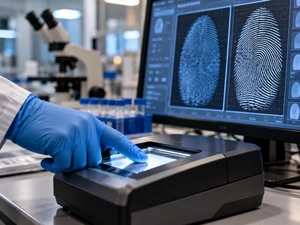
The genealogy process compares crime-scene DNA against genetic databases to build family trees that can point investigators toward a likely identity. It is the same broad approach that has produced a wave of identifications in long-dormant cases across the country in recent years. In practice, the method does not name a person outright; it narrows the field to a family network, after which investigators seek a direct comparison, as they did here by testing a sample from Hartley’s daughter to confirm the result.
Who She Was
Hartley was 27 years old and the youngest of 15 siblings, according to the reporting. She had moved from Ohio to St. Paul in 1992, leaving her daughter with family.
For more than three decades, her remains were known only as an unidentified case file. The identification restores her name to a record that had carried only the circumstances of where the remains were found. Until the 2024 work produced a name, the file existed without the most basic fact a death investigation depends on, the identity of the person at its center.
What Remains Unknown
Even with the identification confirmed, investigators said they are still unsure of the manner and cause of Hartley’s death. No one has been arrested, and the case remains open.
In that sense the breakthrough answered one question while leaving the central ones intact. The technology established who, but how she died and who may be responsible are still unresolved. The identification of a victim and the determination of how a death occurred are separate findings, and reaching the first does not by itself produce the second.
Part of a Broader Pattern
Hartley’s identification reflects a pattern in which genetic genealogy has given names to victims and generated leads in cases that sat unsolved for years. The method has reshaped how investigators approach files that once appeared permanently stalled.
In many of those cases, identifying a victim is the step that reopens an investigation, giving detectives a person, a history, and a network of relationships to examine. The same may now be true here. A confirmed identity can supply the starting points, known associates, last movements, and personal history, that a case file labeled only by where remains were found cannot offer.
The Investigation Continues
Authorities have asked anyone with information about Hartley or the circumstances of her death to come forward. The case is now being pursued with a confirmed victim identity that investigators did not have for 33 years.
For Hartley’s family, the identification provides an answer that had eluded them since 1993. For investigators, it reopens a path toward determining what happened to her.
The case now carries a status it lacked for most of its history: a named victim whose life, relationships, and final movements can be examined. According to reporting on the case, that identification was reached only after investigators applied investigative genetic genealogy in 2024 and confirmed the match through a sample provided by Hartley’s daughter. What the work has not yet produced is a manner or cause of death, and no arrest has been made, leaving the central questions of the case open even as one long-standing question has been resolved.
References: Lake Cold Case Denise Hartley Identified | Mn Cold Case Victim Identified 30 Years Later Washington County June 2026

The News Command team was assisted by generative AI technology in creating this content
Trending





Read More


Read More
Read More

Read More



Read More


Read More

Read More

Read More

Read More
Read More

Read More

Read More

Read More

Read More