
Why More Families Are Choosing to Share a Home
By Taylor Brooks. Jun 24, 2026
Under One Roof
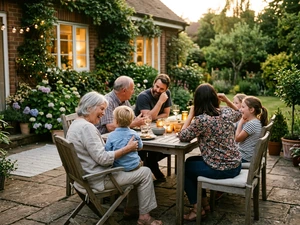
For many American families, the household now stretches across three generations, with grandparents, adult children, and grandchildren sharing a single home. What some still picture as a fallback has, for a meaningful slice of buyers, become a deliberate choice shaped by cost, caregiving, and family preference.
The decision rarely comes down to a single factor. It tends to bring together money, care responsibilities, and the simple pull of family, and the households that make it work usually weigh all three carefully before combining under one roof.
What the Data Shows
Recent home-buying data puts the practice in context. The National Association of Realtors reported that 14 percent of buyers purchased a multigenerational home over the past year, according to its 2026 Home Buyers and Sellers Generational Trends report. That share is down from 17 percent the prior year, a reminder that the figure moves with the broader housing market rather than climbing in a straight line.
Some generations lean into the arrangement more than others. The NAR found that Gen X buyers, roughly ages 46 to 60, purchased the highest share of multigenerational homes at 19 percent, often as the generation most likely to be caring for aging parents and supporting adult children at the same time.
The reasons buyers gave were consistent across age groups. According to the NAR, the top motivations for combining households were caring for aging parents, saving on costs, and accommodating adult children who were moving back home.
Why Families Are Choosing It
The financial logic is straightforward. Sharing a home spreads housing costs across more earners and can sharply reduce the price of childcare and eldercare, two of the largest expenses many families face. Pooling resources can free up money that might otherwise go to separate rents or paid care.
Caregiving is often the deciding factor. As people live longer and affordable long-term care stays out of reach for many, living together can simplify medical oversight and transportation for an aging parent while letting them keep a measure of independence in a familiar setting.
The benefits move in both directions. Live-in grandparents can provide childcare that helps working parents avoid steep daycare costs, while the arrangement strengthens day-to-day family ties. For many households, it is a practical answer to several pressures at once.
This Could Be You
Picture a couple in their fifties whose aging parent needs more support and whose adult child is squeezed by high rents. Bringing everyone under one roof can ease both pressures at the same time, turning separate problems into a shared, more manageable arrangement.
Builders and designers have taken notice. Coverage of the trend describes demand for flexible layouts, including main-floor rooms that convert to bedrooms, accessible bathrooms, and separate in-law suites, all meant to make shared living comfortable for every generation under the roof.
The arrangement is also more common in some communities than others. According to NAR data cited in the reporting, Asian and Pacific Islander, Hispanic, and Black buyers purchased multigenerational homes at higher rates than the overall average, often to care for aging relatives or accommodate adult children. For these households, sharing a home reflects long-standing family patterns as much as current housing math, a reminder that the practice is rooted in culture and not only in cost.
What This Means for Your Family
For households weighing the option, the appeal is the mix of cost-sharing, built-in care, and closer family ties. The NAR data shows the choice remains common across the market even as its year-to-year share rises and falls with housing conditions, which suggests the underlying reasons are durable.
The arrangement is not right for everyone, and those who study it note that success usually depends on space, planning, and clear expectations set in advance. But for a sizable share of families, sharing a home has become a considered way to manage rising costs and caregiving needs together rather than apart.
References: Equity Rich Buyers Sellers Are Driving Todays Housing Market - National Association of Realtors | Baby Boomers Remain Largest Share of Home Buyers as First Time Buying Falls to Record Low - National Association of Realtors

The News Command team was assisted by generative AI technology in creating this content
Trending

Read More

Read More

Read More

Read More

Read More

Read More

Read More

Read More

Read More

Read More

Read More
Read More

Read More

Read More

Read More

Read More

Read More

Read More

Read More

Read More

Read More

Read More

Read More

Read More