
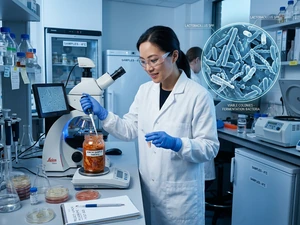
Kimchi bacterium removes microplastics from human gut, South Korea research shows
By Avery Collins. May 19, 2026
A Breakthrough in Food Science
Researchers at South Korea’s World Institute of Kimchi have discovered that a bacterium found in traditional kimchi can bind to and remove microplastics from the human gastrointestinal tract. The finding marks the first scientific evidence that food-derived microbes might address plastic accumulation in the human body - an increasingly recognized health concern that scientists are only beginning to understand.
The Bacterium at Work
The bacterium in question, Leuconostoc mesenteroides CBA3656, demonstrated significant binding capacity in laboratory tests. Under normal conditions, it bound to 87% of nanoplastics. Even under simulated intestinal conditions - a more challenging environment - the bacterium maintained 57% binding capacity, suggesting its potential effectiveness inside the human body.
Laboratory and Animal Evidence
Mouse studies revealed telling results. Animals receiving the probiotic bacterium produced more than twice as many nanoplastics in their feces compared to untreated controls. This suggested the bacteria was successfully transporting plastics through the digestive system and out of the body, rather than allowing them to accumulate in organs or tissue.
Publication and Scientific Credibility
The research was published in Bioresource Technology, a peer-reviewed journal with an Impact Factor of 9.0 and ranked number one in Agricultural Engineering. This high-impact publication indicates the study met rigorous scientific standards and represents a significant contribution to the field.
Why It Matters
Microplastics contamination has become a widespread concern as plastic breaks down into tiny particles throughout the environment and food supply. Scientists have found microplastics in human blood, organs, and tissues, but long-term health effects remain understudied. Traditional fermented foods like kimchi have been part of Asian diets for centuries, making this discovery particularly intriguing - a modern solution rooted in cultural practice.
The Angle: Tradition Meets Modern Problem
The research bridges two worlds: traditional food practices and contemporary health challenges. Kimchi has long been recognized for its probiotic benefits. This study suggests those same beneficial bacteria may address a problem that barely existed when the food first emerged as a dietary staple.
References: Bacteria found in kimchi helps remove nano-microplastic particles | Earth.com article on bacteria in kimchi

The News Command team was assisted by generative AI technology in creating this content
Trending

Read More

Read More

Read More

Read More

Read More

Read More

Read More

Read More

Read More

Read More

Read More

Read More

Read More

Read More

Read More

Read More

Read More

Read More

Read More

Read More

Read More

Read More

Read More

Read More